
XPC -
Pastoral Connection
Re-thinking the Pastoral Leadership.
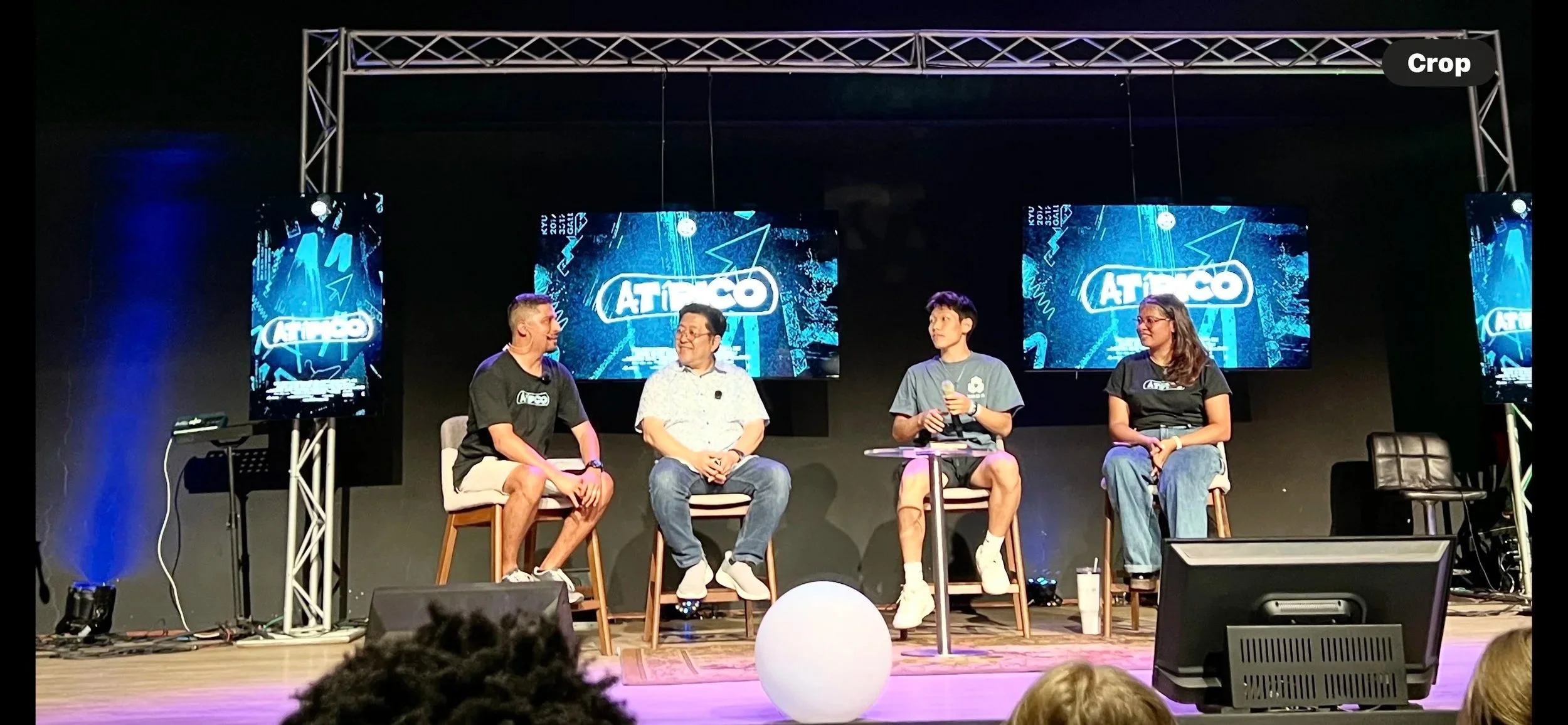
XPC — CROSSLINE Pastoral Connection is an opportunity to think differently about how we gather, strengthen, and connect pastors and ministry leaders.
This is not simply about creating another event or finding a more creative name for a workshop. It is about asking a bigger question:
What kind of environment actually helps pastors grow, connect, think, and strengthen one another?
A Concept for Future Development: The Vision
From Audience to Participants:
What makes XPC different?
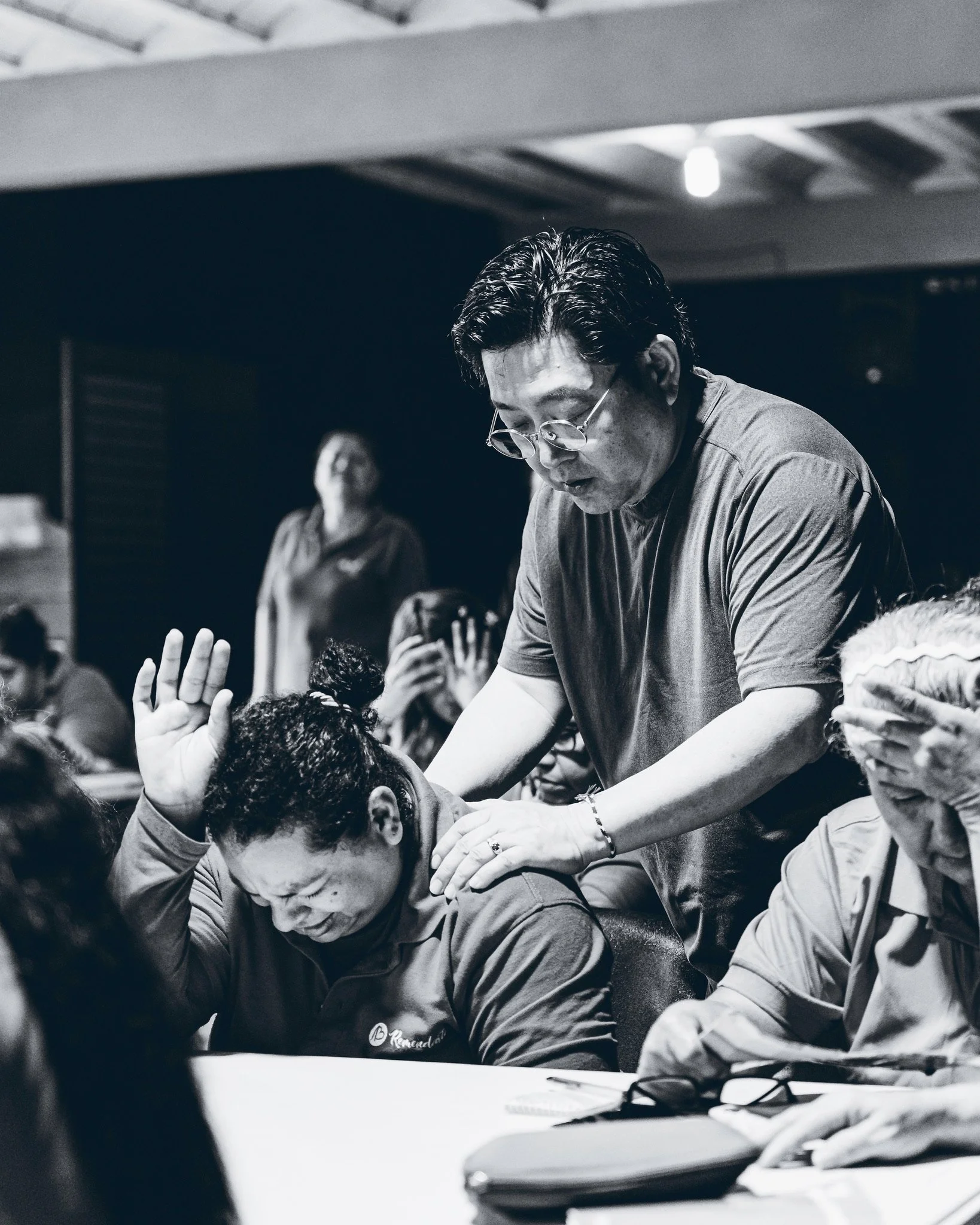
One of the ideas behind XPC is that the wisdom in the room does not reside only with the person holding the microphone. Imagine gathering pastors who have collectively carried decades of ministry experience:
Some have planted churches.
Some have experienced church growth.
Some have experienced church decline.
Some have walked through conflict.
Some have raised leaders.
Some have made mistakes from which others could learn.
Some are navigating challenges today that another pastor navigated ten years ago.
People in the room aren’t just an audience; they’re a resource. XPC’s job isn’t only to bring a speaker to pastors but to make a space where the attendees’ experience, wisdom, questions, and struggles shape the process.
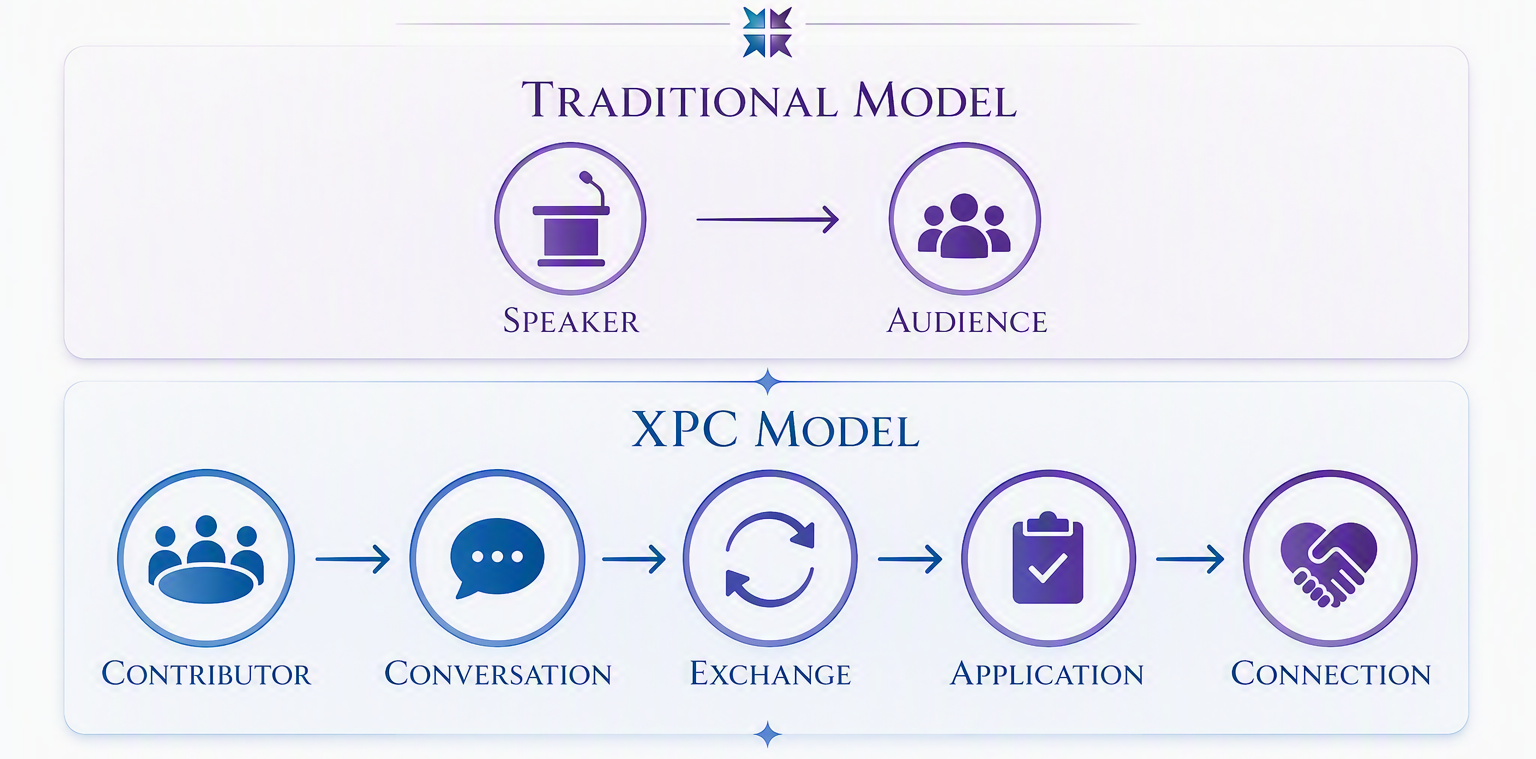
This shifts the dynamic from:
Speaker → Audience
To:
Contributor → Conversation → Exchange → Application → Connection
Strong teaching still matters—it should—but teaching sparks conversation rather than being the whole event.
XPC |
THE TABLE
A Pastoral Leadership Gathering
One concept that seems particularly consistent with the heart of XPC is the imagery of a table communicates something different from an auditorium.
At a table, people see one another.
At a table, people talk.
At a table, people listen.
At a table, people contribute.
At a table, relationships develop.
And within the Christian community, the table carries an even deeper meaning of fellowship, hospitality, belonging, discipleship, and shared life.
The Table is not necessarily a program. It represents a culture.
An XPC Table gathering could include teaching, leadership development, pastoral conversations, ministry case studies, prayer, meals, relationship building, and practical discussion.
The format can change according to the location and need while maintaining the same culture.

Rethinking the Language: Why words matter

Words such as conference, seminar, workshop, and training are not wrong. They have served the Church well and will continue to have their place.
However, these terms have become so familiar that they often communicate the format before we ever communicate the purpose.
A conference usually suggests speakers and an audience. A seminar suggests instruction.
A workshop suggests someone teaching participants how to do something. A training suggests transferring knowledge or skills.
Again, there is nothing inherently wrong with any of these models. But XPC has an opportunity to create something different.
We do not simply want pastors to attend something. We want them to engage.
We do not simply want to give pastors more information. We want to create an environment where they can think, talk, learn, contribute, pray, build relationships, and strengthen one another.
The goal is not simply to change the terminology. The goal is to change the experience. If we simply rename a workshop while continuing to conduct a traditional workshop, we have accomplished very little. The language should communicate the culture we are trying to create.
Developing an XPC Vocabulary
Part of establishing this culture may involve intentionally changing some of the language we normally use.
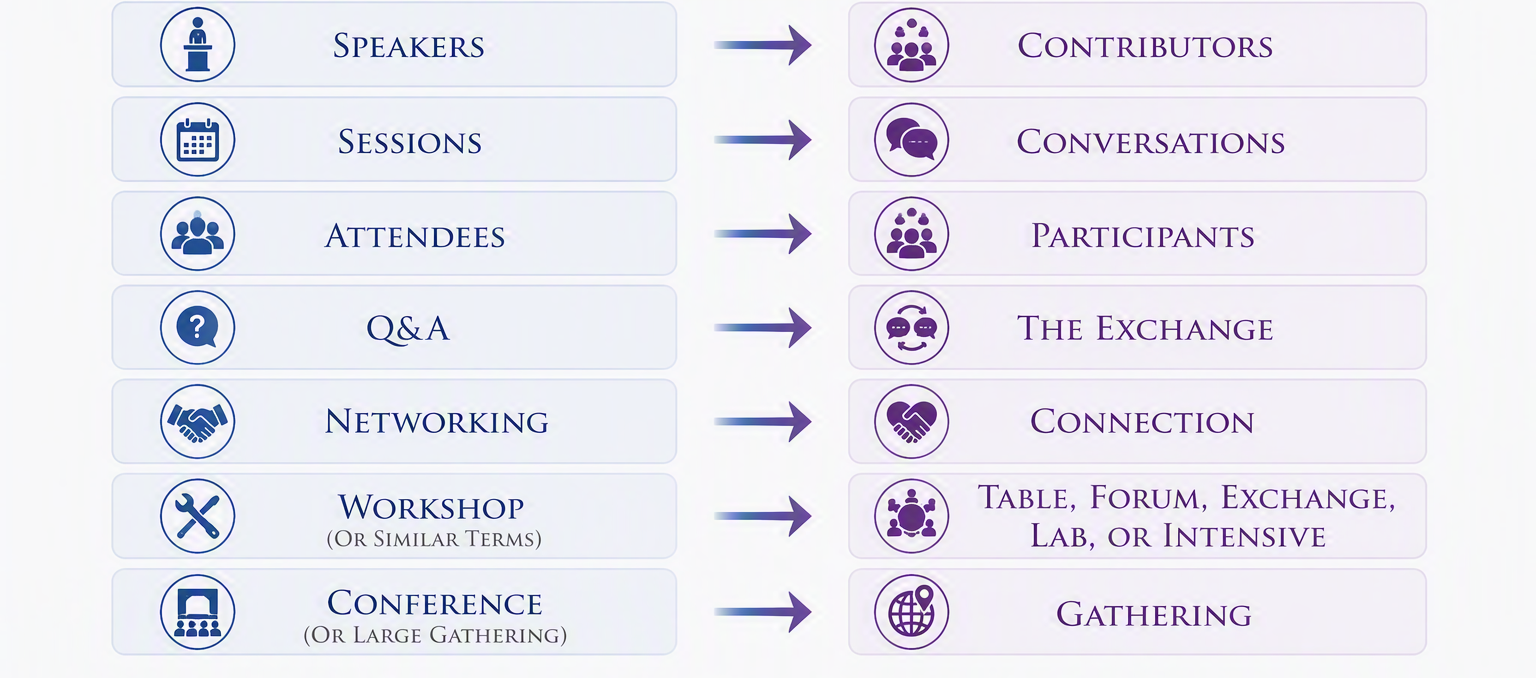
These may seem like small changes, but language helps create culture.
The message is:
We don’t simply attend. We contribute.
We don’t simply listen. We engage.
We don’t simply network. We build relationships.
XPC |
BIGGER THAN ONE FORMAT
Different Environments for Different Purposes
It is also important that The Table does not become another restrictive definition of XPC.
On the contrary, there is a potential to develop:
XPC | THE TABLE
Smaller, relational pastoral gatherings built around conversation and shared learning.
XPC | FORUM
Larger gatherings addressing significant leadership, ministry, or cultural questions.
XPC | INTENSIVE
Focused development around a particular area of pastoral leadership or ministry.
XPC | CONVERSATIONS
Digital conversations, interviews, podcasts, or video resources featuring pastors and leaders from different contexts.
The exact expressions can continue developing, gradually gaining nuance and clarity. The larger idea is more important:
XPC should become more than an event. It can become an environment for pastoral connection, development, and strengthening.
Upcoming Opportunities
-
![Architectural photograph of the City of Arts and Sciences in Valencia, Spain, featuring modern white structures, a reflective water body, and a cloudy sky.]()
October 2026 - A Beginning
Valencia, Spain will be the scenario for a unique opportunity to pilot this concept and become a strategic opportunity to test the culture.
Instead of a traditional pastoral workshop, we will introduce several elements of the XPC approach.
We can:
Teach—but leave meaningful room for conversation.
Arrange the environment, whenever possible, to encourage interaction rather than passive listening.
Ask pastors meaningful questions about the realities they are facing.
Allow their experiences to become part of the conversation.
We will:
Listen.
Learn.
Pray together.
And most importantly, we will begin building relationships.
Spain will be the model's prototype.
-
![Cityscape at sunset with historic buildings, palm trees, and a roundabout in the foreground.]()
Location, location, location...
There is something particularly significant about exploring this in Spain.
Churches long ministering in difficult spiritual contexts are now seeing growth, hunger, and new opportunities. Rather than importing familiar leadership models, we should listen to what God is doing locally. XPC can help—not by bringing all the answers, but by creating spaces where pastors are strengthened, connected, exposed to new possibilities, and learn from one another.
That is very much at the heart of CROSSLINE.
The Great Commission includes strengthening the Church and its leaders so they can make disciples and share the gospel; XPC is one way to pursue that.
-
![Silhouettes of nine people walking in single file across a hill during sunset with a pink and purple cloudy sky.]()
Where We Go From Here
The start is simply about observation.
We will observe what works, listen to the pastors, learn from the experience, and continue shaping XPC afterward.
Over time, perhaps we will discover that XPC develops its own recognizable culture.
A culture where pastors don’t simply come to receive.
They come to contribute.
They come to learn.
They come to think.
They come to pray.
They come to connect.
They come to strengthen one another.
Not simply another leadership event.



“We don't simply gather to receive. We gather to contribute, to grow, and to strengthen one another for the work God has called us to do.”
– The XPC Vision